


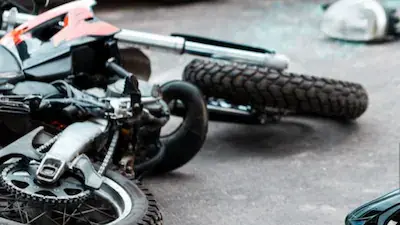
Bike Week should feel like freedom. Yet one careless driver, loose road grate, or crowded intersection can wreck your body and your plans in seconds. You face pain, hospital bills, missed work, and an insurance system that treats you like a number. You may feel angry, confused, and alone. You are not. During Bike Week, crash claims follow patterns. Insurance companies watch for them. They move fast to limit what they pay you. You must move faster. You need to understand fault, medical records, witness statements, and deadlines. You also need to know when to say nothing, what to sign, and who to trust. This guide explains how Bike Week crash claims work, what mistakes hurt riders most, and how a lawyer such as My Affordable Attorney can protect your rights. You gave up enough on the road. Do not give up your claim too.
First steps in the minutes after a crash
Your choices in the first hour shape your claim. They also shape your recovery.
- Move to a safe place if you can. Turn off the bike.
- Call 911. Ask for police and medical help.
- Do not argue at the scene. Speak in short, calm sentences.
Tell the officer what happened in simple order. If you do not know something, say so. Never guess. Ask how to get the crash report number. This report often anchors your claim.
Then protect proof.
- Take photos of the scene, all vehicles, skid marks, and road hazards.
- Photograph your helmet, gear, and visible injuries.
- Ask for names, phone numbers, and emails of witnesses.
If you are too hurt, ask a trusted person to do this. You can also ask officers to note witnesses in the report.
Why medical care right away matters
Many riders try to walk it off. That choice can destroy a claim. It can also hide damage inside your body.
Always accept medical care at the scene. Then follow up at an emergency room or urgent care. If pain grows later, go back. Quiet injuries like brain trauma and internal bleeding often show up hours later.
Tell each doctor every symptom. Mention head impact, loss of memory, ringing in your ears, numbness, or mood changes. Ask for copies of discharge papers and test results. Keep these in a folder at home.
The Centers for Disease Control and Prevention explains common crash injuries and the effect of helmets at https://www.cdc.gov/transportationsafety/motorcycle/index.html. This science often supports what you feel in your body.
Common Bike Week crash causes
During Bike Week, certain crash patterns repeat.
- Left turn by a driver across your path
- Rear end impact in slow traffic
- Door opening from a parked car
- Loose gravel or broken pavement near events
- Drunk or drugged drivers at night
Each pattern points to a different source of fault. It might be a driver, a bar that served a drunk driver, a city that ignored a broken road, or a parts maker whose part failed. You protect your claim when you note these details early.
Key claim deadlines you cannot miss
Every state has a time limit for injury lawsuits. Lawyers call this a statute of limitations. If you miss it, a court can throw out your case.
Some states also have faster notice rules when you blame a city or state road crew. These can be as short as a few months. You do not need to know every law today. Yet you do need to act fast so someone can track these dates for you.
How fault and shared fault affect your money
Many riders hear one message at the scene. It is your fault because you ride a bike. That message is wrong. It is also common.
Each state uses its own rules for shared fault. Some reduce your money by your share of blame. Some block you if your share is too high. Insurance adjusters know these rules very well. They may push you to accept more blame than the facts support.
You help yourself when you
- Stick to the facts from your memory
- Avoid long chats with any insurance adjuster
- Refuse to give a recorded statement before you get legal advice
What to say and what not to say
Your words can heal your claim or wound it.
Say this
- “I am hurt and getting medical care.”
- “Please contact me in writing.”
- “I am not ready to give a recorded statement.”
Do not say this
- “I am fine.”
- “It was my fault.”
- “I should have seen them.”
Also avoid social media posts about the crash. Insurance companies often watch your public pages. A single smiling photo at a cookout can be used to question your pain.
Typical losses after a Bike Week crash
Crash claims usually cover three groups of losses.
- Medical costs past and future
- Lost pay and loss of future work power
- Pain, mental strain, and loss of normal life
Other losses can include bike repair, gear, and help with daily tasks. Keep every receipt. Store bills, pay stubs, and notes from your job about missed time in one place. This record gives weight to your story.
Sample timeline of a bike crash claim
| Time after crash | What usually happens | What you should focus on
|
|---|---|---|
| First 24 hours | Police report, first medical care, early calls from insurers | Safety, full medical check, photo proof, basic contact exchange only |
| First 7 days | More medical visits, repair estimates, first low settlement offers | Follow treatment, collect records, speak with a lawyer, avoid quick deals |
| First 1 to 3 months | Ongoing care, claim review, deeper talks with insurers | Track symptoms, keep a pain journal, send records through your lawyer |
| 3 months and beyond | Settlement talks or lawsuit filing | Plan for long term needs, decide on settlement or court with legal advice |
How a lawyer can protect you
A crash claim feels heavy when you hurt. A lawyer can
- Deal with all insurance calls
- Gather reports, video, and expert views
- Measure fair settlement ranges for your injuries
- File a lawsuit when talks stall
Many riders fear legal costs. Many injury lawyers work on a fee that comes from the recovery. You can ask clear questions about costs during a first talk. A lawyer such as My Affordable Attorney can explain this in plain words.
Protecting yourself before the next ride
You cannot control every driver. You can still lower risk.
- Wear a DOT approved helmet and sturdy gear every ride
- Use lights day and night
- Leave extra space in Bike Week traffic
- Avoid riding after drinking, even a small amount
The National Highway Traffic Safety Administration offers useful motorcycle safety tips at https://www.nhtsa.gov/road-safety/motorcycles. Review these before you join large events.
Closing thoughts
A Bike Week crash can shatter your plans, your body, and your sense of control. You still have power. You can seek care, protect proof, guard your words, and ask for help. You earned your joy on the road. You also earned fair treatment after a crash. Use that strength now.
Also Read
