


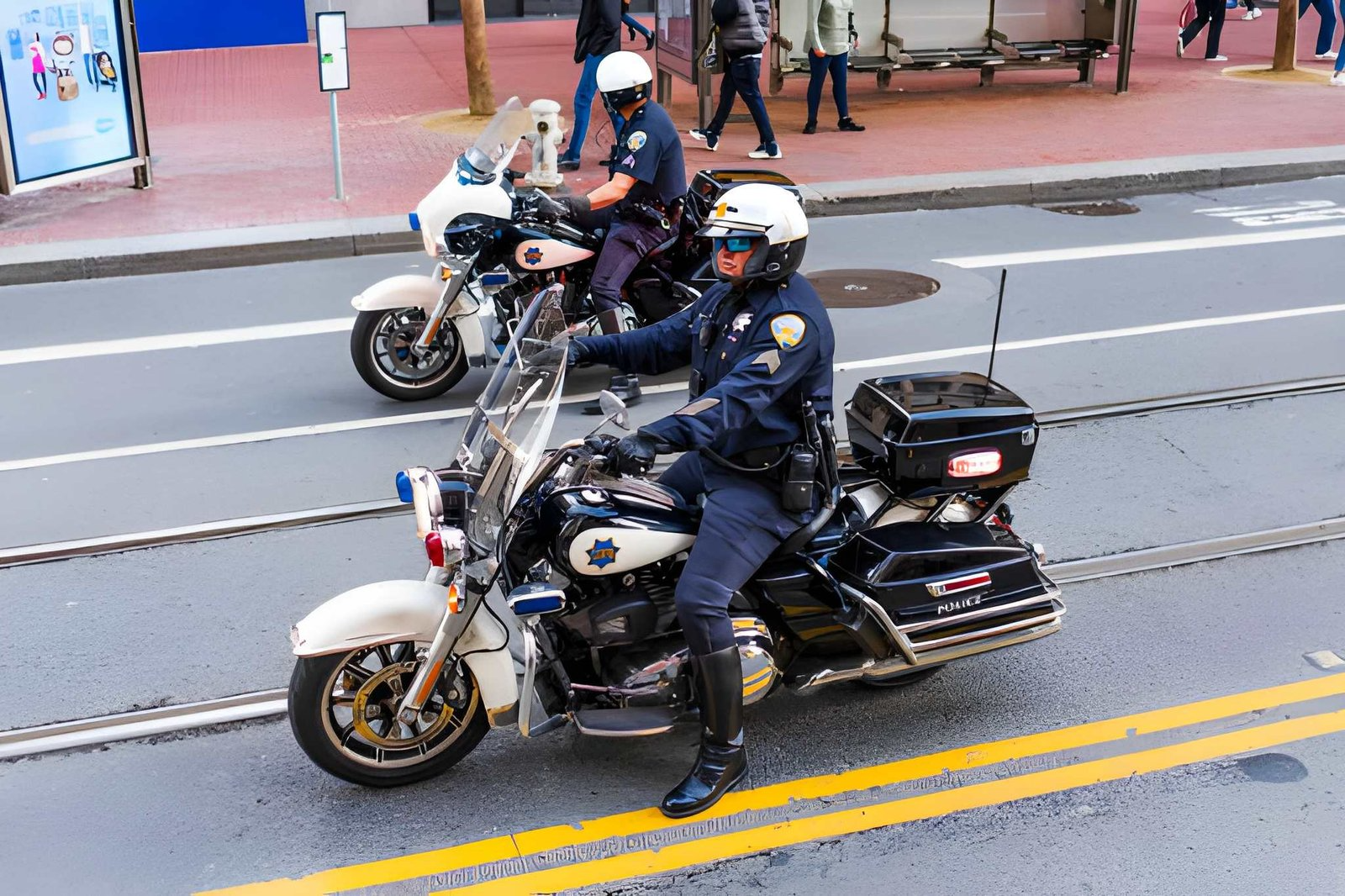
You might be feeling a mix of freedom and worry every time you throw a leg over your bike in San Francisco. The views are stunning, the roads are tight and crowded, and one mistake from you or another driver can change everything in a second. After a near miss or a crash, you may catch yourself thinking, “What are the rules here, and did anyone actually follow them?” That’s when many riders turn to San Francisco motorcycle accident lawyers for guidance and support.
That tension is very real. You are trying to stay safe, enjoy the ride, and still deal with traffic, hills, and drivers who often claim they “never saw the motorcycle.” At the same time, California’s motorcycle laws can feel like a maze. You might not be sure when lane splitting is legal, what gear you are required to wear, or how traffic violations could affect your rights if you are ever injured.
Here is the short version. California gives riders some important rights, like allowing lane splitting, but it also sets clear rules about licenses, helmets, equipment, and how you share the road. If another driver breaks those rules and hurts you, the law can be on your side, and a personal injury lawyer can help you use those laws to protect your health and your future.
What California motorcycle rules actually apply to you in San Francisco traffic?
Riding in San Francisco brings its own set of challenges. Steep hills, cable car tracks, rideshare vehicles stopping suddenly, and drivers weaving through narrow streets all raise the risk of a crash. Because of this, understanding California motorcycle laws every San Francisco rider should know is not just about avoiding a ticket. It is about protecting your life and your options if someone hurts you.
Start with licensing. In California, you need a motorcycle endorsement (M1 or M2) on your driver license to ride legally on public roads. The California DMV publishes a detailed Motorcycle Handbook that explains testing, permits, and restrictions. If you are riding without the proper endorsement and you are hit, the other driver’s insurance company may try to blame you for everything, even if they clearly caused the crash.
Then there is gear. California requires a U.S. DOT compliant helmet for both riders and passengers. No exceptions for short trips, no exceptions for low speeds. The law also expects your bike to have working lights, mirrors, and other equipment. If your equipment is not legal or working and a crash happens, insurers may argue that your choices added to your injuries. That does not erase their driver’s fault, but it can complicate your claim.
So where does that leave you when you ride through the city every day, or head over the bridge for a weekend ride?
How do lane splitting, safety rules, and fault really work after a crash?
One of the most confusing parts of California motorcycle regulations for Bay Area riders is lane splitting. California is the only state that clearly allows lane splitting when done safely. That does not mean anything goes. The California Highway Patrol offers guidance through its Motorcyclist Safety Program, which includes tips on safe lane splitting, speed differences, and space between vehicles.
Imagine you are filtering between lanes on the Bay Bridge at a reasonable speed and a driver suddenly changes lanes without signaling and knocks you off your bike. You were lane splitting, which is legal. The driver was not watching their mirrors. In that situation, the law can strongly support you, even if their insurance tries to argue that “lane splitting is dangerous.” A careful review of the facts and the CHP guidance can help show you were riding responsibly.
Now consider another scenario. You are riding down Market Street at night. Your headlight is out, and you know it, but you have not had time to fix it. A rideshare driver turns left across your path and hits you. They should have yielded. At the same time, they may claim they could not see you because your headlight was not working. Under California’s “comparative fault” rules, a court or insurance adjuster might assign a percentage of blame to both of you. This can lower the amount of money you recover, which is where a strong legal strategy matters.
Beyond equipment, California has clear expectations for how riders should handle lanes, passengers, and cargo. The DMV’s online Motorcyclists Guide explains lane positioning, following distance, and how to carry a passenger safely. These rules are not just technical details. They become evidence of whether you were riding responsibly when someone hurt you.
If a crash involves a serious injury, the CHP may investigate more deeply. Their enforcement manual, which includes guidance such as the CHP procedures on collision investigations, can shape how fault is assigned in the official report. That report often becomes a key piece of your injury claim.
What should you weigh: riding “by feel” versus knowing the law and using legal help?
Many riders rely on experience and “feel” instead of really learning the law. That works until something goes wrong. To see the difference, it helps to compare two approaches.
| Approach | Short-Term Experience | Risk After a Crash | How a Personal Injury Lawyer Can Change Things |
|---|---|---|---|
| Riding by habit, without knowing key laws | Feels quick and easy. No time spent reading rules or guides. | Higher chance of tickets or partial blame. Insurers may argue you were reckless or unlicensed. | Lawyer must work harder to overcome negative assumptions and missing proof. Some losses may be hard to fix. |
| Riding with clear knowledge of California laws | Requires a little time to learn, but builds confidence in traffic. | Stronger position on fault. Easier to show you rode responsibly and the driver broke the rules. | Lawyer can use laws, guides, and reports to support your story and push for higher compensation. |
| Knowing the law and contacting a lawyer right after a crash | Emotionally hard, but gives direction when you feel overwhelmed. | Better chance to protect evidence, handle calls from insurers, and avoid harmful statements. | Lawyer can investigate quickly, manage deadlines, and pursue medical costs, lost wages, and pain. |
When you understand the California motorcycle laws that apply to you, and you pair that knowledge with timely legal help, you move from feeling powerless to having a plan.
What can you do right now to protect yourself as a San Francisco rider?
So, where does that leave you today, whether you just had a close call or you are already dealing with injuries and bills?
- Learn the core rules that affect your daily rides
Set aside a short block of time to review the official guidance you actually ride under. Focus on licensing, lane splitting, required equipment, and safe riding practices. The California DMV’s Motorcycle Handbook and Motorcyclists Guide are written for riders, not lawyers, and they explain how the law looks on the road. You do not need to memorize everything. You just need to know the rules that come up most often in your rides through San Francisco.
- Document your riding and any crash as if you will need to prove your story
If you are ever hit, your memory and your photos can matter as much as the police report. Take pictures of your bike, your gear, and any damage after a crash. Get contact information for witnesses if you can safely do so. Keep records of medical visits, missed work, and pain levels. Even before anything happens, consider using a helmet cam or dash cam on busy commutes. These small steps can make it much harder for an insurance company to twist the story against you.
- Talk with a personal injury lawyer before you trust the insurance company
After a crash, insurers may sound sympathetic, but their job is to pay as little as possible. A personal injury lawyer who understands motorcycle cases and California traffic law can explain how fault, comparative negligence, and local rules affect you. They can handle adjuster calls, push back against unfair blame, and help you pursue the medical care and financial recovery you actually need, not just what the insurer wants to offer.
Where do you go from here as a San Francisco motorcyclist?
You ride because it gives you something that cars cannot match. At the same time, you should not have to carry all the risk alone or feel lost in legal details after someone else’s bad decision puts you in the hospital.
By understanding the key California motorcycle laws without the legal jargon, staying mindful about how you ride in San Francisco traffic, and reaching out to a personal injury lawyer when something goes wrong, you give yourself more than information. You give yourself options.
You do not have to figure out fault, medical bills, and insurance arguments by yourself. Support is available, and you are allowed to ask for it before you sign anything or accept any offer.
Read more: Qué Hacer Si Sufre un Accidente Laboral en Arizona – fungroupsnames.com
