


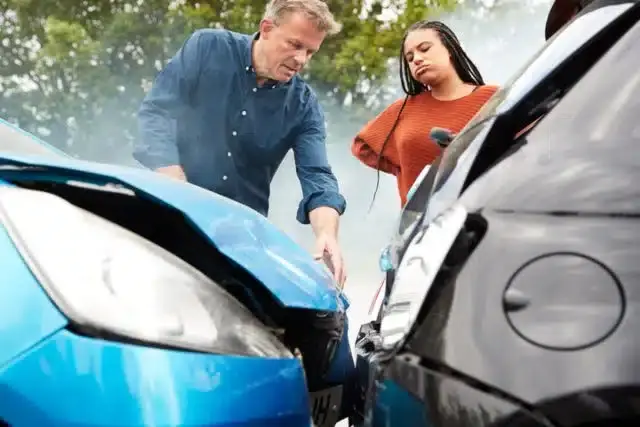
You may feel confused after a crash in Wauwatosa when police do not write a ticket. You may wonder if that means you cannot file a claim. It does not. A ticket is not the only proof of fault. Insurance companies often use police reports, photos, and witness statements. They study medical records and repair bills. They look for clear facts. You still have rights. You can still ask for payment for damage, treatment, and lost time at work. First, you need to know what steps to take. You can gather records, write down what you remember, and contact your insurer. You can also check the city or police website for report copies and local rules. This guide walks through how claims work when no ticket exists, what evidence matters most, and how to protect your claim from common mistakes.
What a Ticket Means and What It Does Not Mean
A ticket is proof that an officer believes someone broke a traffic rule. It is not proof that a driver caused the crash. Courts and insurers still look at all facts. They may agree with the ticket. They may not.
You can still file a claim when:
- Police came to the scene but did not write a ticket
- Police did not come and you later filed a report
- Both drivers share some fault
Wisconsin uses “fault” rules. The person who is more at fault pays more. The law on fault and damages is in the Wisconsin statutes. You can read more on the Wisconsin Legislature site. The key point is simple. No ticket does not end your claim.
Proof That Matters More Than a Ticket
Insurers care about proof. They look for clear, simple facts. You can help your claim by collecting three main types of proof.
- Scene proof. Photos, videos, skid marks, debris, weather, and traffic signs.
- People proof. Names and contact details for witnesses and all drivers.
- Paper proof. Police reports, repair estimates, medical records, and wage records.
You can request a crash report through local police. You can also review Wisconsin crash facts on the Wisconsin Department of Transportation site. These records show how officers and state staff record crashes.
How Insurers Look At Crashes With No Ticket
Insurers use their own review process. They do not need a ticket to decide fault. They want to know what each driver did in the seconds before the crash.
They often ask three core questions.
- Who had the right of way
- Who broke a traffic rule
- Who could have avoided the crash
They compare your story to the other driver’s story. They compare both to the proof. If your proof is strong, your claim can succeed even when no one got a ticket.
Common Scenarios With No Ticket
Crashes without tickets happen often in Wauwatosa. Some patterns repeat.
- Low speed parking lot crash. Officers see no clear rule break and do not ticket.
- Bad weather crash. Ice or snow make blame less clear.
- Both drivers share fault. Each driver made a mistake, so no ticket issues.
In each case you can still claim. The outcome depends on proof, not on a slip of paper.
Ticket vs No Ticket: Claim Impact Table
| Question | Ticket Issued | No Ticket Issued
|
|---|---|---|
| Can you file an insurance claim | Yes. A ticket does not limit your right to file. | Yes. Lack of a ticket does not block your claim. |
| Does it prove fault | Not by itself. It is one piece of proof. | No. Fault comes from other proof. |
| How insurers treat it | As a factor that supports their review. | They rely more on reports, photos, and witnesses. |
| Need for extra proof | Still important but sometimes easier to show. | Very important. Proof often decides the claim. |
| Chance of dispute | Often lower but disputes still happen. | Often higher. Stories may conflict. |
Steps To Take After a Crash With No Ticket
You can take clear steps that protect your claim.
- Get medical care right away. Tell the doctor it was from a crash.
- Report the crash to police if required by state law.
- Take photos of all cars, plates, and the road.
- Collect names, phone numbers, and insurance details.
- Write your own timeline the same day.
- Call your insurer and give direct, simple facts.
- Keep all bills, receipts, and time off records.
Each small step adds weight to your claim. Each record fills in gaps that a missing ticket might have covered.
How Fault Sharing Can Change Your Payment
Wisconsin uses shared fault rules. You can still recover money if you are not more at fault than the other driver. Your payment can drop by your percent of fault.
For example, if you are 20 percent at fault, your payment drops by 20 percent. A ticket might suggest fault. Yet proof can show a different split. That is why your own records matter.
Protecting Yourself When the Other Driver Blames You
Many drivers blame the other person, especially when no ticket exists. You can protect yourself by staying calm and staying quiet at the scene.
- Do not argue about blame at the scene.
- Do not say “I am sorry” or “It was my fault.”
- Give facts only to police and insurers.
- Let your photos and records speak for you.
Clear proof often cuts through anger and fear. It gives insurers something firm to hold when stories clash.
Key Takeaways For Wauwatosa Drivers
You can still file a claim when no ticket was issued in Wauwatosa. You keep the right to seek payment for repairs, medical care, and missed work. The strength of your claim rests on proof, not on a ticket.
If you focus on three things you protect yourself and your family.
- Get care and stay safe.
- Gather proof and keep records.
- Report the crash and stay clear and firm with insurers.
A quiet, steady response after a crash does more than any ticket. It gives you control when the day already feels out of control.
Also Read-Important Inbound Call Center Services and How They Help Businesses
