


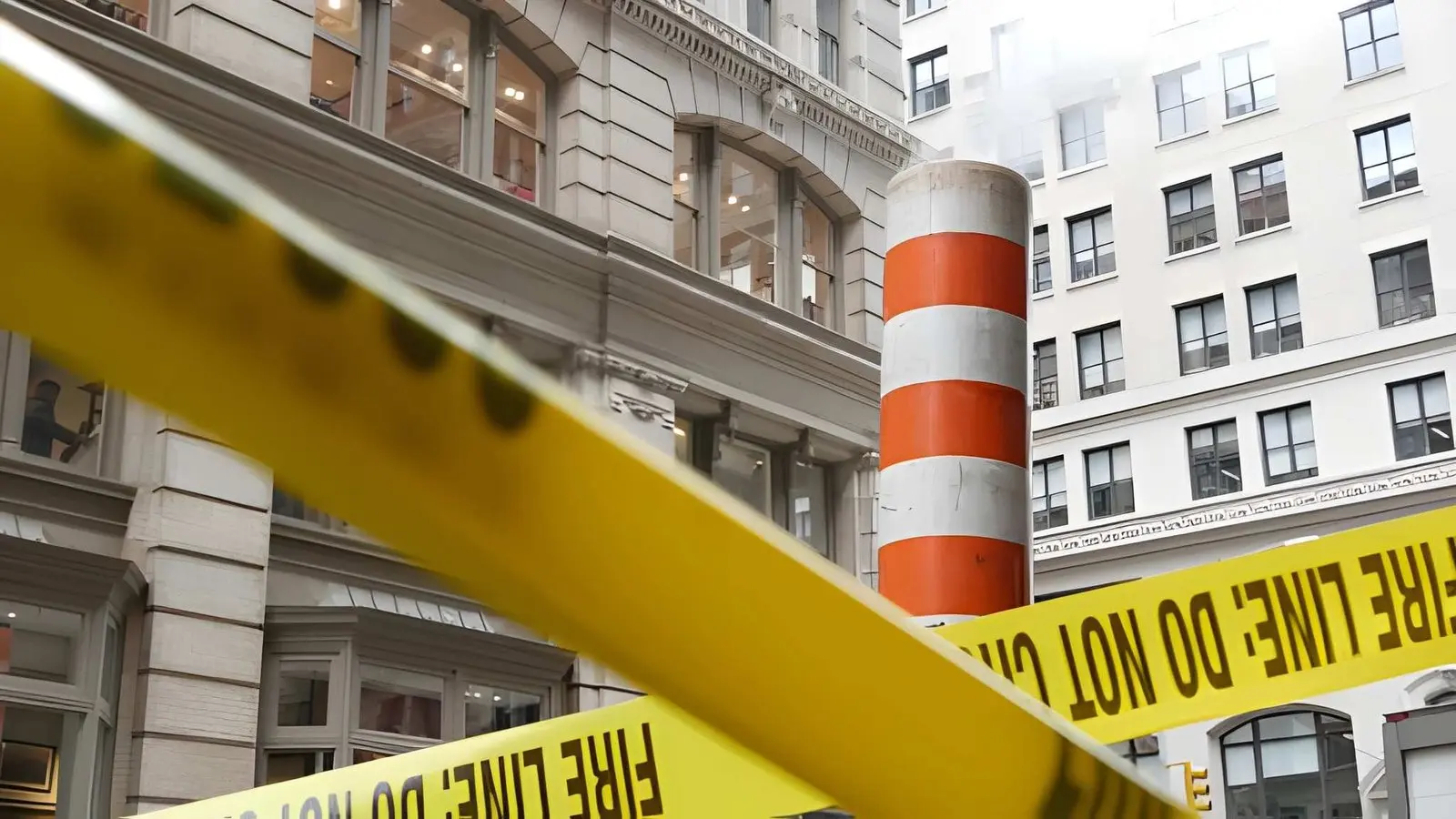
An explosion rips through your life in one second. Smoke, fire, and flying metal can leave you with burns, broken bones, or damage you cannot see right away. You might face lost wages, growing medical bills, and pressure from insurance companies. You may also feel anger and confusion about who caused this and what comes next. This guide explains how filing a lawsuit after an explosion accident in NYC works, so you can protect your rights and your future. You will learn who may be held responsible, what evidence you need, and how deadlines can affect your claim. You will also see how attorneys, including brain injury lawyers in New York, build cases after blasts in buildings, on streets, or at job sites. You did not choose this harm. You can choose how you respond.
Common Causes of Explosion Accidents in NYC
Explosion accidents in New York City often come from a few repeat causes. Knowing the cause helps you understand who may be at fault.
- Gas leaks from pipes or appliances
- Faulty boilers or heating systems in homes or apartment buildings
- Improper storage of chemicals at work sites
- Construction work that hits gas lines or power lines
- Defective products such as gas stoves, propane tanks, or tools
Often, more than one person or company shares blame. That can include a landlord, a building owner, a contractor, or a product maker.
Immediate Steps After an Explosion
Your first focus is safety. Your next focus is proof. Careful steps now can protect your claim later.
- Get medical care right away, even if you feel fine
- Tell emergency staff about all pain or symptoms
- Ask for copies of medical records and discharge papers
- Take photos of burns, bruises, cuts, and any devices or bandages
- Save clothing, gear, or objects damaged in the blast
- Write down names and contact details of witnesses
- Keep all letters and emails from insurance companies
Early treatment can uncover hidden harm, such as brain injury or lung damage from smoke and dust.
Who May Be Legally Responsible
New York law allows you to seek money from any person or company whose conduct helped cause the explosion. Responsibility can spread across many parties.
- Property owners who ignore gas odors or code violations
- Landlords who skip repairs or regular inspections
- Utility companies that fail to maintain or mark lines
- Contractors who use unsafe methods or untrained workers
- Product makers who release unsafe or mislabeled products
You do not need to know every person at fault before you speak with an attorney. You only need to share what you saw, heard, and felt.
Key Evidence That Supports Your Claim
Strong cases rest on strong proof. You can help build that proof from the start.
- Medical records and test results that show injuries
- Fire department reports and inspection reports
- Photos and videos of the scene before and after
- Security camera footage from nearby buildings
- Work records that show lost hours or job changes
- Repair records and complaints about gas or smells
Public reports from agencies can also help. For example, the National Fire Protection Association shares data on blast and fire causes. Your attorney can use this type of information to support your claim.
Deadlines for Filing in New York
New York sets strict time limits. If you miss them, a court can refuse your case.
| Type of Claim | Typical Time Limit to Sue in NY | Common Examples
|
|---|---|---|
| Personal injury | 3 years from the date of the explosion | Burns, fractures, lung damage, brain injury |
| Wrongful death | 2 years from date of death | Family member killed in the blast |
| Claim against NYC or a public agency | Notice of Claim within 90 days | City owned buildings or public works |
Time limits can change based on who you sue and the facts of your case. You protect yourself when you act early.
Compensation You May Seek
Money cannot fix what happened. It can keep you and your family stable. Explosion lawsuits in NYC often seek payment for three main types of harm.
- Medical costs such as hospital stays, surgery, therapy, and medication
- Lost income now and future loss of earning power
- Pain, emotional strain, and loss of daily enjoyment
In death cases, families may also seek funeral costs and loss of financial support. New York courts look at proof of your losses. That includes bills, pay stubs, and honest stories about how life changed.
How a Lawsuit Works After an Explosion
The legal process can feel heavy. It becomes clearer when you see the steps.
- You meet with an attorney and share what happened
- The attorney reviews records, visits the site, and speaks with witnesses
- A formal complaint is filed in court that names the people or companies at fault
- Each side exchanges documents and takes sworn statements
- Experts on fires, engineering, or medicine may review proof
- The case may settle or move to trial, where a judge or jury decides
Most cases settle before trial. Careful preparation often leads to better outcomes.
Special Issues With Brain and Lung Injuries
Explosions can cause harm that is not clear at first. That includes brain injuries from blasts and a lack of oxygen. It also includes lung damage from smoke, dust, or chemicals.
Hidden injuries can show up as memory gaps, mood swings, headaches, shortness of breath, or sleep problems. These symptoms matter. You should tell your doctor and keep a daily log of changes. You may also need brain scans and lung tests.
The Centers for Disease Control and Prevention shares helpful facts on traumatic brain injury at cdc.gov/. You can review this information with your doctor and your attorney so your claim reflects the true impact.
Protecting Yourself and Your Family
You face enough strain. You do not need to face it alone. You can protect yourself by doing three things.
- Get medical care and follow up as directed
- Save every document related to the explosion and your injuries
- Speak with an attorney who knows New York explosion and injury cases
An explosion may feel like pure chaos. Careful steps, clear proof, and steady guidance can turn that chaos into a path forward for you and your family.
Also Read
