


Drainage issues rarely appear without warning. In most cases, there are subtle signs that develop before a complete blockage occurs. Many property owners contact blocked drains Northern Beaches plumbers after experiencing severe symptoms, but recognising early indicators can prevent extensive damage and costly repairs.
Blocked drains can affect both residential and commercial properties. Whether caused by grease build up, tree root intrusion or foreign objects in the system, early detection plays a crucial role in protecting your plumbing infrastructure. Understanding what to look for allows you to act quickly and avoid major disruption.
Slow Draining Water
One of the earliest signs of a developing blockage is slow drainage. Water that takes longer than usual to empty from sinks, showers or bathtubs suggests partial obstruction within the pipes.
This often begins gradually. At first, you may notice only a slight delay. Over time, however, the restriction worsens as debris accumulates. Ignoring slow drainage allows the blockage to expand, eventually leading to complete obstruction. Addressing slow drains early reduces the likelihood of internal overflow and more serious plumbing complications.
Unusual Gurgling Sounds
Gurgling or bubbling noises coming from drains or toilets indicate trapped air within the plumbing system. When water cannot flow freely due to a blockage, air pockets form and create distinctive sounds as water passes through restricted areas.
These noises often occur after flushing a toilet or draining a sink. While they may seem harmless initially, they signal pressure imbalance within the pipes. Persistent gurgling should be assessed by a professional before the blockage worsens.
Unpleasant Odours
Foul smells coming from drains are another early warning sign. Organic material such as food waste, grease or hair may become trapped inside pipes, decomposing over time and producing unpleasant odours.
If odours linger even after cleaning fixtures, the issue likely exists deeper within the drainage system. Persistent smells indicate restricted flow and potential bacterial growth. Professional inspection can identify the source of the odour and remove accumulated debris safely.
Water Backing Up
Water backing up into sinks, bathtubs or floor drains is a more advanced sign of blockage. When wastewater cannot move through pipes efficiently, it may reverse direction under pressure.
Backflow is not only inconvenient but also unsanitary. Contaminated water can damage surfaces and pose health risks. If you notice water rising in fixtures during usage elsewhere in the property, immediate professional assessment is recommended.
Changes in Outdoor Areas
Blocked drains are not always confined to internal plumbing fixtures. Outdoor indicators may also reveal developing problems.
Soggy patches of lawn, pooling water near drainage points or unusually lush grass growth along sewer lines can indicate underground leakage. These signs suggest that wastewater is escaping due to pipe damage or severe blockage. Early intervention prevents soil erosion and further structural damage.
Recurring Minor Blockages
Frequent minor clogs in sinks or showers often indicate a larger underlying issue. Clearing small surface blockages repeatedly without addressing the deeper cause allows debris to continue accumulating within pipes.
If you find yourself regularly using plungers or drain cleaners, it may be time for professional inspection. Recurring issues typically point to partial obstruction that requires specialised equipment to remove completely.
The Risk of Ignoring Early Signs
Delaying action when early warning signs appear can lead to significant consequences. Complete blockages may cause internal flooding, damaging flooring, cabinetry and walls.
Excess moisture encourages mould growth, which can affect indoor air quality and occupant health. Underground pipe collapse may require excavation and extensive repairs, disrupting landscaping and driveways. Addressing minor issues early is far more cost effective than managing large scale damage later.
How Professionals Diagnose Blocked Drains
Experienced plumbers use advanced diagnostic tools to assess drainage systems accurately. CCTV drain cameras allow technicians to inspect the interior of pipes without invasive excavation.
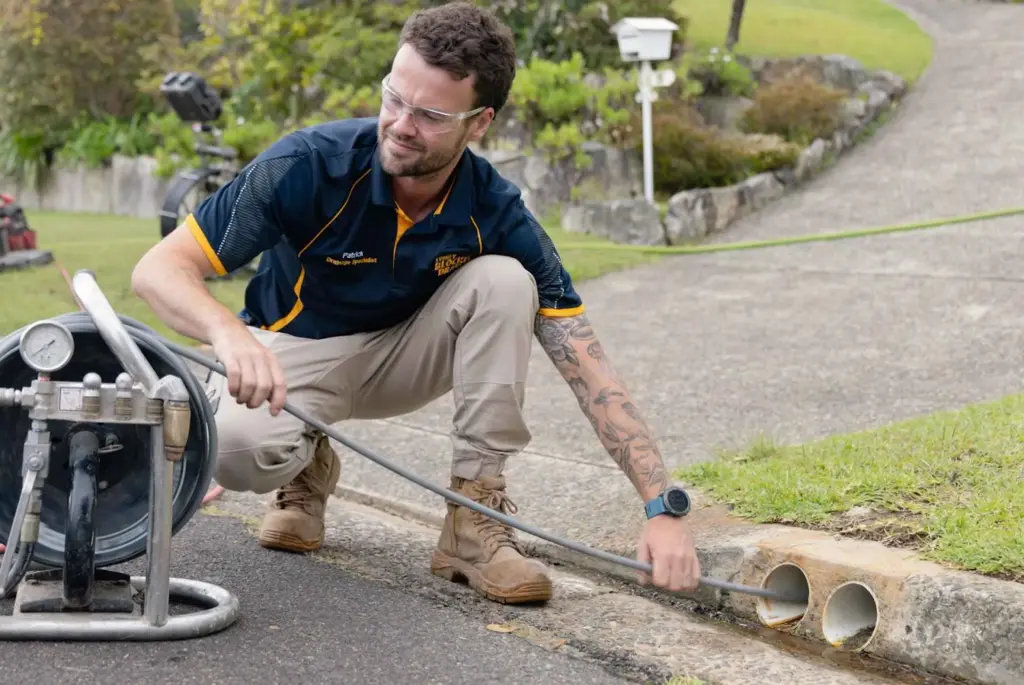
This technology identifies the exact location and cause of the blockage, whether it is grease build up, root intrusion or structural damage. Once diagnosed, high pressure water jetting can remove debris thoroughly and restore full flow. Professional solutions focus on eliminating the root cause rather than applying temporary fixes.
Preventative Maintenance for Long Term Protection
Routine maintenance is essential for preventing major drainage problems. Scheduled inspections and cleaning help remove gradual build up before it causes significant restriction.
Properties surrounded by mature trees may benefit from periodic root inspections to prevent intrusion. Commercial properties with higher drainage demands should consider maintenance plans to reduce downtime risk. Preventative care extends the lifespan of your plumbing system and minimises emergency callouts.
When to Seek Immediate Assistance
While some early signs may appear minor, certain symptoms require urgent attention. Rapid water backup, sewage overflow or multiple fixtures affected simultaneously indicate serious blockage. In these cases, prompt professional intervention prevents structural damage and health hazards. Acting quickly limits repair costs and protects property integrity.
Conclusion
Blocked drains often develop gradually, presenting early warning signs such as slow drainage, gurgling noises and unpleasant odours. Recognising these indicators allows property owners to take action before the issue escalates into a major plumbing emergency.
By seeking professional diagnosis and investing in preventative maintenance, you can protect your property from costly repairs and ensure reliable drainage performance. Early intervention is the most effective strategy for maintaining a safe, functional and efficient plumbing system.
Also Read
